HubSpot Introduction
If you're running a small or medium business, you know how messy things can get when your marketing lives in one tool, your sales team uses another, and customer support is off doing its own thing somewhere else.
You end up with scattered data, missed follow-ups, and a whole lot of tab-switching that eats into your day. It's frustrating, and honestly, it slows everything down.
That's where HubSpot comes in. It's a CRM platform that pulls your marketing, sales, and customer service into one place so you're not juggling a dozen different apps just to keep your business running.
We've spent time digging into what it actually does well, where it falls short, and whether it's worth the price tag.
Here's what we found.
HubSpot Key Features
CRM Integration: Keep all your customer info in one place so your marketing, sales, and support teams can see the full picture. No more jumping between apps or losing track of conversations — everyone stays on the same page.
Marketing Automation: Set up email campaigns, social media posts, and lead nurturing sequences that run on autopilot. You’ll save hours every week and still keep your audience engaged without lifting a finger.
Sales Tools: Track emails, schedule meetings, and manage your deals through a visual pipeline that shows you exactly where every prospect stands. It’s like having a personal assistant that keeps your sales process organized.
Customer Service Hub: Handle support tickets, chat with customers in real time, and build a knowledge base so people can find answers on their own. Your customers get help faster, and your team spends less time on repeat questions.
Content Management System (CMS): Build and manage your website right inside HubSpot, with built-in SEO tips and analytics to help your pages rank higher. You don’t need to be a developer to create pages that actually bring in traffic.
Analytics and Reporting: See exactly what’s working and what’s not with detailed reports on your campaigns, sales numbers, and customer engagement. You’ll make smarter decisions because you’re looking at real data instead of guessing.
Our Take of HubSpot
If you’re a small-to-medium business owner looking for a CRM that does more than just manage contacts, HubSpot is worth a serious look. It brings your marketing, sales, and customer service tools under one roof, which means less jumping between apps and more time actually running your business. The interface is clean and pretty easy to pick up, even if you’re not super tech-savvy. That’s a big deal when you’re already wearing a dozen hats.
Where HubSpot really shines is in how everything connects. Your marketing emails, your sales pipeline, your support tickets — they all live in one place. So when a lead turns into a customer, your whole team can see the full picture without anyone having to dig through spreadsheets or ask around. The marketing automation features are solid too. You can set up email sequences, schedule social media posts, and track what’s working without a ton of manual effort.
That said, it’s not perfect. The pricing can feel steep, especially if you’re just starting out or running a lean operation. The free tier gives you a taste, but once you start needing more advanced features, costs add up quick. Some users have also mentioned that certain tools don’t offer as much customization as they’d like, and exporting your data isn’t always smooth. Those are real things to think about before committing.
HubSpot does offer a ton of learning resources — courses, certifications, webinars — so if you do sign up, you won’t be left figuring things out on your own. Their customer support team also gets solid marks from users for being responsive and actually helpful.
When you stack it up against other CRMs, HubSpot’s biggest advantage is that all-in-one approach. You’re not stitching together five different tools and hoping they play nice. But that convenience comes at a price, literally. It’s a good fit if your business is at a stage where you can invest in a platform that grows with you. If budget is tight, you might want to start with the free plan and see if it checks enough boxes before upgrading.
HubSpot's Pricing
HubSpot offers a free tier with no credit card required, providing basic tools across its CRM, marketing, sales, service, content, and operations hubs. For businesses that need more advanced capabilities, HubSpot provides several paid tiers across its platform.
The Marketing Hub starts at $15 per month per seat for the Starter plan, $800 per month for the Professional plan which includes 3 seats, and $3,600 per month for the Enterprise plan which includes 5 seats.
The Sales Hub begins at $15 per month per seat for Starter, $90 per month per seat for Professional, and $150 per month per seat for Enterprise.
The Service Hub is priced at $15 per month per seat for Starter, $90 per month per seat for Professional, and $150 per month per seat for Enterprise.
The Content Hub starts at $15 per month per seat for Starter, $450 per month for Professional which includes 3 seats, and $1,500 per month for Enterprise which includes 5 seats.
The Operations Hub is available at $15 per month per seat for Starter, $720 per month for Professional, and $2,000 per month for Enterprise.
HubSpot also offers a Customer Platform bundle that combines multiple hubs at a discounted rate, starting at $15 per month per seat for the Starter Customer Platform. The Professional and Enterprise bundles are also available at higher price points. Free tools include contact management, forms, email marketing, live chat, basic reporting dashboards, and more. Paid plans unlock features such as advanced automation, custom reporting, predictive lead scoring, custom objects, and additional user permissions. All pricing listed reflects monthly costs when billed annually, and higher month-to-month rates may apply.
Final Thoughts about HubSpot
At the end of the day, HubSpot isn’t going to be the right fit for every single business out there, and that’s okay.
What matters is whether it solves the problems you’re actually dealing with right now. If you’re tired of bouncing between a bunch of different tools and losing track of customer conversations along the way, it’s worth giving HubSpot a real shot.
The free plan alone lets you test the waters without any financial risk, and you can always scale up when you’re ready.
Think about where your business is today and where you want it to be six months from now. If having your marketing, sales, and support all talking to each other in one place sounds like it’d make your life easier, then you’ve got nothing to lose by trying it out.
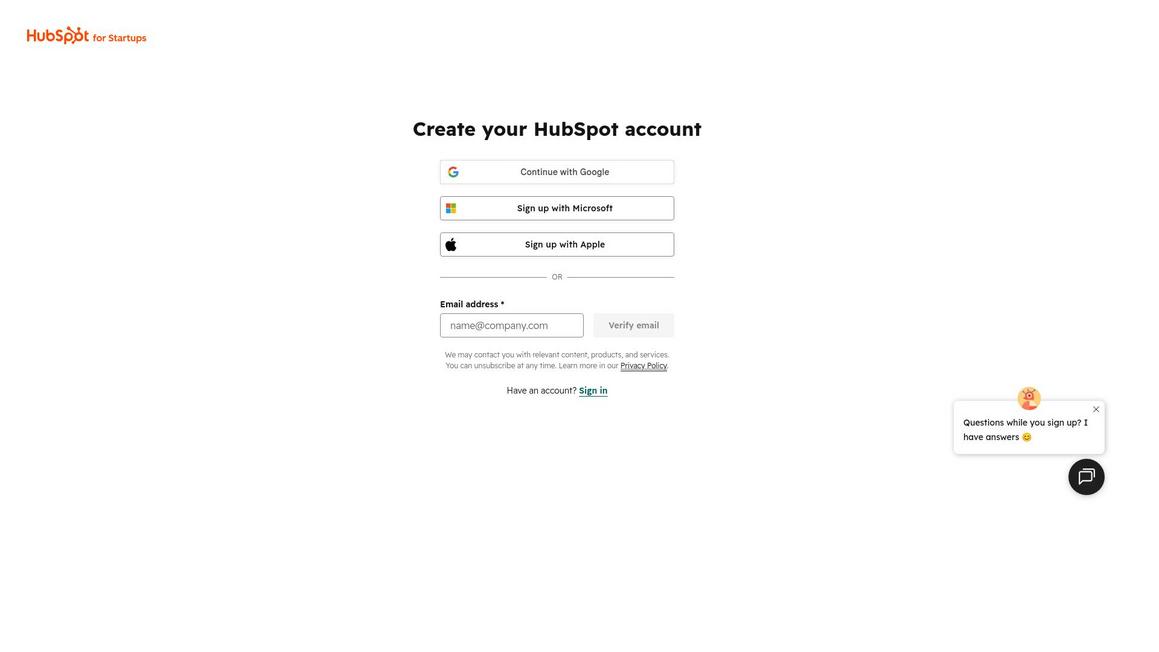
If you want to get started with HubSpot, click the button below and see for yourself whether it’s the right move for your business.
HubSpot FAQs